As the EU’s Digital Product Passport (DPP) mandate takes shape, textile brands face a pivotal decision: assemble the right technology stack, or risk operational breakdown, non-compliance, and reputational fallout. Implementing DPP requires far more than a digital label — it requires disciplined data governance, cross-functional integration, and reliable, evidence-based infrastructure.
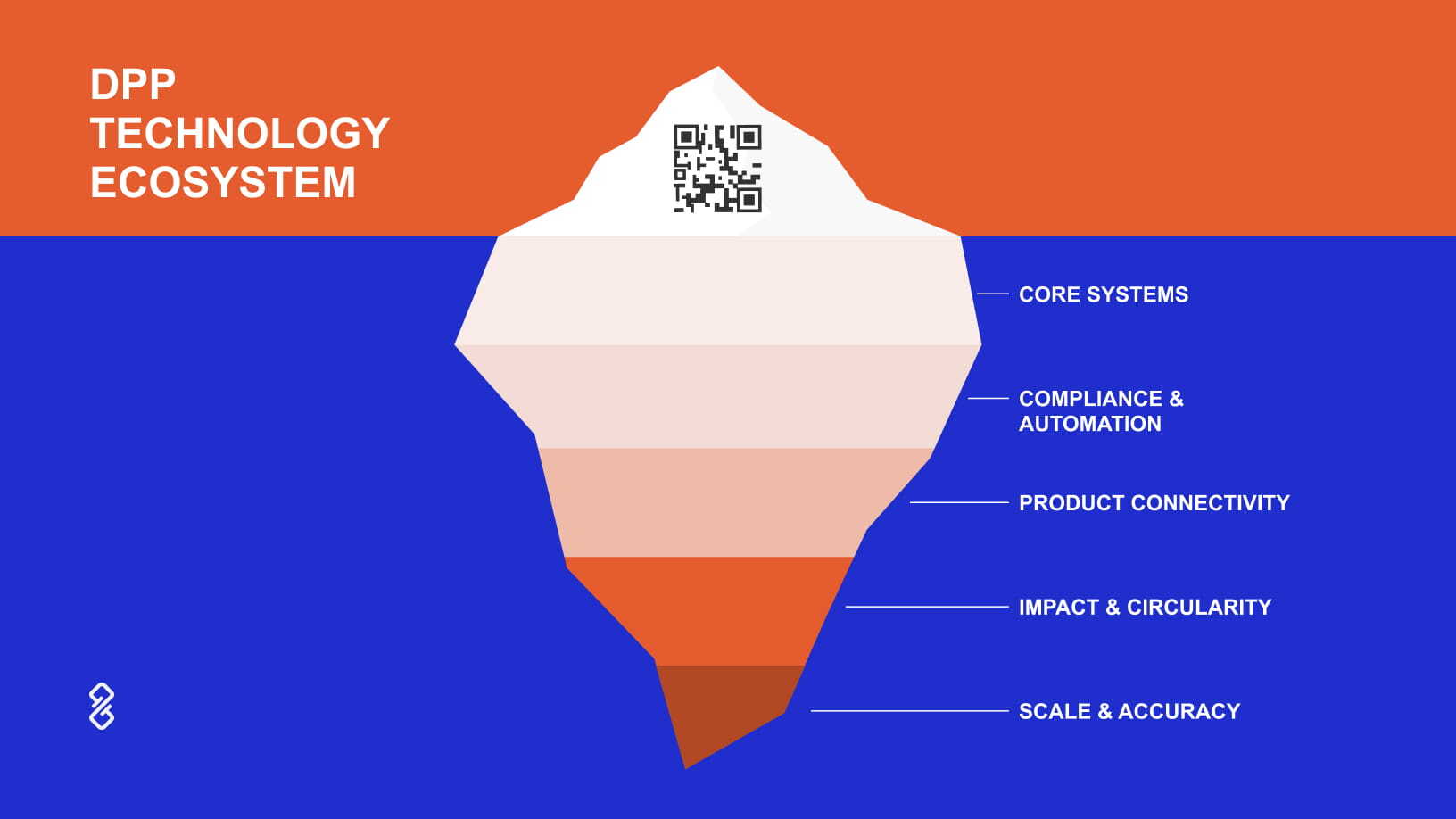
This buying guide provides a clear, strategic overview of the technologies each textile brand must evaluate when designing a future-proof DPP program. A downloadable checklist of this quick guide is available at the end.
Supply Chain Traceability Platform
A traceability platform is the non-negotiable engine of DPP readiness: it collects, verifies, and structures evidence across suppliers, materials, and processing stages – a lot of the data that falls under the Product Data requirement of DPP. Without it, brands are forced into manual collection from fragmented spreadsheets, PDFs, and emails — an approach that collapses at scale. Traceability platforms also ensure data integrity through structured workflows and robust evidence extraction, reducing the risk of compliance gaps. A leading supply chain traceability and compliance platform, TrusTrace is recognized as a Representative Provider in the Gartner® report Innovation Insight: Digital Product Passport — Unlocking Value Beyond Compliance (Kevin Lawrence, July 2025).
WHAT TO LOOK FOR:
- Dynamic supply chain mapping (beyond Tier 1)
- Capture evidence at purchase order (PO)-level
- User-friendly supplier portal for efficient data sharing
- Standardized data collection for materials, facilities, or by regulation
PLM Integration and Product Master Data Systems
PLM is the source of truth for product specifications, and inaccuracies here will immediately translate into DPP failures. A strong integration ensures that every BOM element, material definition, and product change flows into the DPP ecosystem without manual duplication. This prevents mismatches between design intent and published passport data which are risks that regulators, recyclers, and consumers will not overlook. In other words, it ensures your digital passport matches the physical product.
WHAT TO LOOK FOR:
- Seamless Plug-and-Play integration
- Material and component data that fits into the DPP data requirements
- Data interoperability that aggregates data from many sources
Compliance Automation
As the ESPR evolves, compliance automation capabilities act as a translator between regulatory demands and operational workflows. It flags gaps and ensures every required data field mandated by the Delegated Acts (expected in 2027) is complete before a DPP is generated or updated. By shifting compliance from a reactive process to a structured and proactive system, brands avoid costly surprises and respond to regulatory policies with efficiency. Traceability and PLM systems have this built-in which can reduce the need to find an extra software for this.
WHAT TO LOOK FOR:
- Pre-built ESPR DPP data templates
- Automated data validation for large data volumes (>1000 styles at once)
- Certification management
- Data completeness tracker
Digital Identity & Product Tagging Technology
The identifier bridges the physical garment to its digital product passport, and the access point, such as QR Code or RFID, must withstand exposure to washing, heat, friction, and long-term wear. Scalable digital ID systems also integrate with logistics, repair partners, and recyclers — ensuring that the DPP remains accessible at every stage of the product lifecycle. Choosing the wrong identifier can limit future circularity pathways or complicate cross-border data exchange.
WHAT TO LOOK FOR:
- Follows GS1 Standards
- Durability throughout lifecycle and consumer wear and tear
- Flexible options: QR, NFC, RFID
- Scalability across thousands of SKUs
Lifecycle Assessment (LCA) & Impact Calculation Tools
Impact data published in DPPs must be consistent, defensible, and rooted in recognized methodologies like the PEF methodology. LCA tools help brands calculate environmental metrics using reliable databases and industry-approved models, reinforcing transparency and accountability. LCA tools that integrate with traceability platforms and other product data systems that collect verifiable, primary data will ensure actual impact scores, and an accurate record of the product's history. This could eliminate the risk of outdated or inaccurate impact reporting over the lifecycle.
WHAT TO LOOK FOR:
- Transparent calculation according to industry standards
- Integration with traceability data
- Ability to update impact when the item or suppliers change

Circularity Enablement Platforms & Digital Twins
Beyond compliance, DPPs enable circular business models — repair, recycle, resell, rental — by storing detailed product information in a persistent digital record of the item’s lifecycle, also known as a digital twin. Still at a nascent stage, circularity platforms track ownership transfers, product conditions, and repair histories which gives the consumer, recyclers and resell partners the intelligence they need to process each item efficiently. For a real-time example of what this could look like, check out this pilot where TrusTrace partnered with Filippa K, Atelje Unitex and Circularista to develop C-PLM, Circular Product Lifecycle Management System. These systems ensure your DPP program supports the business you want to build tomorrow.
WHAT TO LOOK FOR:
- Digital twin creation to record ongoing product lifecycle
- Ownership/condition status logging
- Repair, resell or recycle data integration
AI for Data Extraction, Validation & Risk Scoring
AI dramatically accelerates the most challenging and laborious part of data management: collecting, extracting, and validating data from diverse documents. Look for AI enhancements in the various software list before this to detect missing evidence, highlight anomalies, and auto-extract key data fields from PDFs, certificates, and invoices with high accuracy. TrusTrace uses Optical character recognition (OCR) technology to digitally extract the data from the certificates uploaded by suppliers during traceability requests and evidence management processes.
WHAT TO LOOK FOR:
- OCR and automated data extraction for certificates & invoices
- Supplier/document risk assessment and scoring
- Reliable data validations and verifications against trusted databases
- Auto-generation of language translations
SUMMARY AND CHECKLIST
Digital Product Passports are, at their core, a change-management initiative — not a quick technical deployment. DPP readiness unfolds over years, not months, because it requires transforming how data is collected, governed, verified, and shared across global supplier networks. It is an enterprise-wide orchestration that demands participation far beyond a single team. The journey will go from fragmented, manual data gathering to full circularity enablement. DPP success is a disciplined, cross-functional commitment that requires data strategy, organizational alignment, and interoperable technology.
DOWNLOAD CHECKLIST: Download a version of this quick guide to DPP Technology as a PDF.

TrusTrace for DPP
TrusTrace is recognized by Gartner as a Representative Provider for Digital Product Passports and we've already partnered with brands to implement over 10,000 DPPs through successful pilots including live DPPs for Kappahl, Gina Tricot and ETON. As a key supply chain traceability and compliance data partner in initiatives like Trace4Value including GS1 Sweden and selected by the Swedish School of Textiles for a national DPP project, we’re shaping the industry standard.
Get in touch with TrusTrace to explore our DPP solution and see what it takes to ready your team for the DPP era.